
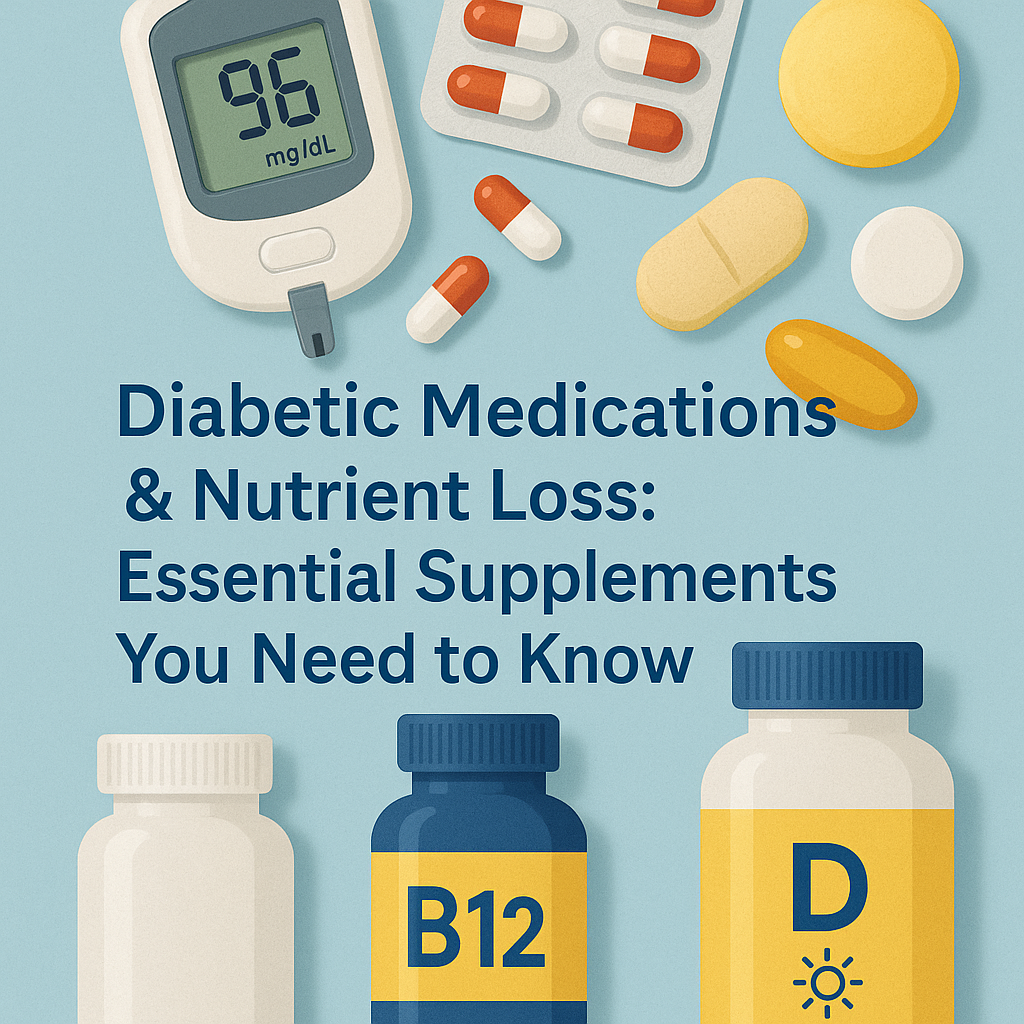
This nutrient depletion can silently undermine your health, contributing to fatigue, nerve problems, and even hindering the effectiveness of your diabetes management. Understanding and addressing these deficiencies through targeted supplementation can be a game-changer for your long-term well-being. Let’s explore some key supplements that diabetic patients, particularly those on common medications, should consider.
The Unseen Impact: Drug-Induced Nutrient Depletion
Before diving into specific supplements, it’s essential to grasp why this happens. Many medications interact with the body’s absorption, metabolism, or excretion of nutrients. For instance, some drugs might:
- Bind to nutrients, preventing their absorption.
- Increase the rate at which nutrients are excreted through urine.
- Interfere with the body’s natural production of certain compounds.
For diabetics, this can exacerbate existing health challenges and even mimic symptoms of diabetes complications, making proper diagnosis and supplementation critical.
Key Supplements for Diabetics on Medication
1. Vitamin B12: Crucial for Nerve Health (Especially with Metformin)
The Link: Metformin, a cornerstone medication for Type 2 diabetes, is notorious for interfering with the absorption of Vitamin B12. Studies show that long-term Metformin use significantly increases the risk of B12 deficiency.
Why it Matters: Vitamin B12 is vital for nerve function, red blood cell formation, and DNA synthesis. Deficiency can lead to symptoms like:
- Peripheral neuropathy (nerve damage, often in hands and feet), which can be confused with diabetic neuropathy.
- Fatigue and weakness.
- Cognitive issues and memory problems.
Recommendation: Regular B12 level checks are recommended. If deficient, oral supplements or, in severe cases, injections may be necessary. Consider a B12 supplement if you’re on Metformin, especially if you experience any of these symptoms.
2. Magnesium: The Mineral for Insulin Sensitivity
The Link: Many diabetics, particularly those with Type 2, tend to have lower magnesium levels. Certain medications, like diuretics (often prescribed for high blood pressure, a common comorbidity with diabetes) and even insulin therapy, can increase magnesium excretion. Metformin may also indirectly affect magnesium balance.
Why it Matters: Magnesium plays a crucial role in over 300 biochemical reactions, including:
- Insulin sensitivity and glucose metabolism.
- Nerve and muscle function.
- Blood pressure regulation.
Low magnesium levels are linked to increased insulin resistance and higher risks of diabetic complications like retinopathy. Supplementing can help improve glycemic control and reduce the risk of deficiencies.
Recommendation: Look for easily absorbable forms like magnesium citrate or glycinate. Dietary sources include leafy greens, nuts, seeds, and whole grains.
3. Coenzyme Q10 (CoQ10): The Heart & Energy Booster (If on Statins)
The Link: Statins, cholesterol-lowering drugs frequently prescribed to diabetic patients to protect against cardiovascular disease, are known to deplete the body’s natural production of CoQ10.
Why it Matters: CoQ10 is a powerful antioxidant essential for cellular energy production, particularly in the heart and muscles. Deficiency can lead to:
- Muscle pain and weakness (a common side effect of statins).
- Fatigue.
- Increased risk of heart problems.
Recommendation: If you’re on a statin medication, discussing CoQ10 supplementation with your doctor is highly advisable. The ubiquinol form is generally considered more bioavailable.
4. Vitamin D: The Sunshine Vitamin for Overall Health
The Link: While not solely drug-induced, Vitamin D deficiency is alarmingly common among individuals with diabetes and can be worsened by factors like obesity and limited sun exposure, often prevalent in this population. Some medications, like certain steroids (if used for complications), can also interfere with Vitamin D metabolism.
Why it Matters: Vitamin D influences a wide range of bodily functions, including:
- Insulin secretion and sensitivity.
- Immune system modulation.
- Bone health.
Adequate Vitamin D levels have been associated with improved glycemic control and reduced risk of diabetes complications.
Recommendation: Get your Vitamin D levels checked regularly. Supplementation with Vitamin D3, under medical guidance, is often necessary to reach optimal levels.
Important Considerations: Always Consult Your Healthcare Provider
While these supplements offer significant potential benefits, it’s crucial to approach supplementation with caution and always in consultation with your doctor or a registered dietitian. Here’s why:
- Individual Needs: Dosing and specific supplements should be tailored to your unique health profile, existing deficiencies, and other medications.
- Interactions: Supplements can interact with your prescribed medications, potentially causing adverse effects or altering drug efficacy.
- Quality Matters: Choose high-quality supplements from reputable brands.
- Not a Substitute: Supplements are meant to complement, not replace, your prescribed diabetes medications, diet, and lifestyle changes.
Take Control of Your Holistic Health
By proactively addressing potential nutrient depletions, you empower yourself to manage your diabetes more effectively and enhance your overall quality of life. Don’t let the silent drain of nutrients undermine your health goals. Open a dialogue with your healthcare team about these essential supplements and take a holistic approach to your diabetic care.