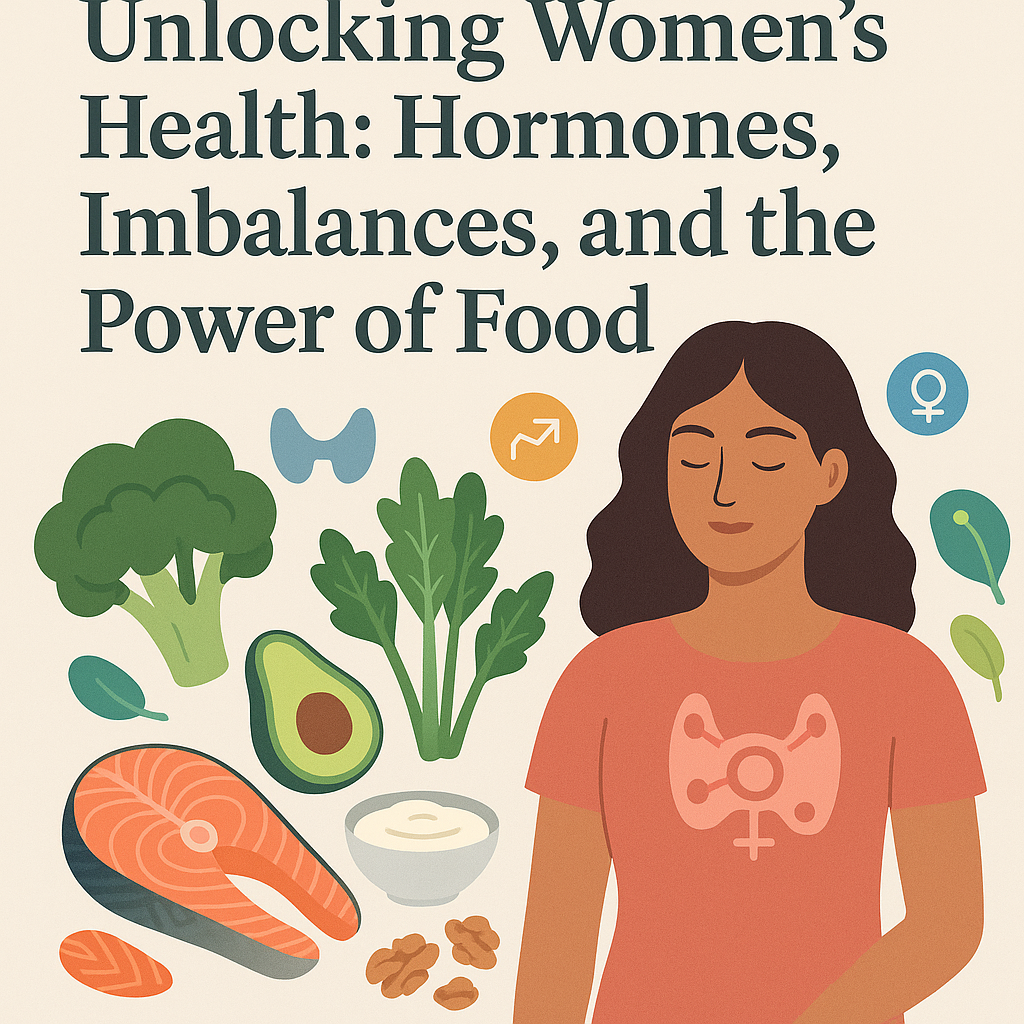
Women’s health is a complex symphony, and the conductors of this intricate orchestra are hormones. These chemical messengers play a pivotal role in almost every bodily function, from regulating mood and metabolism to fertility and energy levels. Understanding how women’s hormones affect health is the first step towards achieving vibrant well-being.
How Women’s Hormones Affect Their Health
The female body is a masterpiece of hormonal interplay. Key hormones like estrogen, progesterone, testosterone (yes, women have it too!), cortisol, and thyroid hormones work in concert, influencing everything from the monthly menstrual cycle to the profound changes of pregnancy and menopause.
- Estrogen & Progesterone: These primary female sex hormones orchestrate the menstrual cycle, regulate fertility, impact bone density, influence mood, and affect cardiovascular health. Their fluctuating levels throughout the month and life stages (puberty, pregnancy, perimenopause, menopause) can lead to noticeable physical and emotional shifts.
- Thyroid Hormones: Produced by the thyroid gland, these control metabolism, energy production, body temperature, and even brain function. An underactive or overactive thyroid can have widespread effects on energy, weight, and mood.
- Cortisol: Often dubbed the ‘stress hormone,’ cortisol is vital for regulating blood sugar, metabolism, and inflammation. Chronic stress can lead to sustained high cortisol, impacting sleep, weight, and immune function.
- Insulin: This hormone regulates blood sugar. Imbalances can contribute to conditions like Polycystic Ovary Syndrome (PCOS) and type 2 diabetes.
Why Is It Important to Look Out for Hormone Imbalances?
When this delicate hormonal balance is disrupted, the consequences can range from subtle discomforts to chronic health conditions. Recognizing the signs of an hormone imbalance is crucial for timely intervention and improved quality of life.
Common signs of hormonal imbalance include:
- Irregular or painful periods: (Suggestive of PCOS, endometriosis, fibroids)
- Unexplained weight gain or difficulty losing weight: (Often linked to thyroid issues, insulin resistance, high cortisol)
- Persistent fatigue and low energy: (Could indicate thyroid or adrenal imbalances)
- Mood swings, anxiety, depression: (Common with estrogen, progesterone fluctuations, or cortisol dysregulation)
- Hair loss or unwanted hair growth: (May point to androgen imbalances like PCOS)
- Acne breakouts: (Often influenced by androgen levels)
- Difficulty sleeping: (Can be affected by cortisol, melatonin, and estrogen levels)
- Hot flashes and night sweats: (Hallmarks of perimenopause and menopause)
- Low libido: (Related to estrogen and testosterone levels)
Ignoring these signals can lead to more severe health issues over time. Early detection and management through lifestyle changes, dietary adjustments, and sometimes medical intervention can prevent progression and alleviate symptoms, fostering better overall hormonal health.
Foods That Are Beneficial in Women’s Hormonal Imbalances
While professional medical advice is paramount for severe imbalances, nutrition plays a powerful supporting role in optimizing hormonal health. A diet rich in specific nutrients can help your body produce, metabolize, and eliminate hormones effectively.
- Omega-3 Fatty Acids: Found in fatty fish (salmon, mackerel, sardines), flax seeds, chia seeds, and walnuts. Omega-3s are anti-inflammatory and crucial for hormone production and cell membrane health. They can significantly benefit conditions like PCOS and menstrual pain.
- Cruciferous Vegetables: Broccoli, cauliflower, Brussels sprouts, kale, and cabbage contain compounds like indole-3-carbinol (I3C) which support healthy estrogen metabolism and detoxification in the liver. This helps prevent estrogen dominance.
- Fiber-Rich Foods: Whole grains, legumes, fruits, and vegetables are vital for gut health. A healthy gut microbiome aids in the proper elimination of excess hormones, preventing reabsorption and supporting overall balance. Fiber also helps regulate blood sugar, impacting insulin and cortisol.
- Healthy Fats: Avocados, nuts, seeds (flax, chia, pumpkin, sunflower), and extra virgin olive oil provide the building blocks for hormone synthesis (cholesterol). They also support satiety and stable blood sugar.
- Lean Proteins: Chicken, turkey, fish, eggs, lentils, and beans help stabilize blood sugar levels, reducing insulin spikes and crashes that can impact other hormones. Protein is also essential for enzyme production and muscle repair.
- Probiotic-Rich Foods: Yogurt, kefir, sauerkraut, kimchi, and other fermented foods support a diverse gut microbiome, which is instrumental in the ‘estrobolome’ – the collection of bacteria that metabolizes estrogen.
- Specific Nutrients:
- Magnesium: Found in dark leafy greens, nuts, seeds, and dark chocolate, it helps with stress response and improves sleep.
- B Vitamins: Especially B6 (important for progesterone production) and Folate, found in leafy greens, whole grains, and legumes.
- Zinc: Essential for thyroid function and reproductive health, found in pumpkin seeds, nuts, and legumes.
Conclusion
Women’s hormones are incredibly dynamic, influencing every aspect of well-being. By understanding their profound impact, recognizing the signs of imbalance, and making informed dietary choices, you can take significant steps towards optimizing your hormonal health. Remember, a balanced lifestyle, stress management, adequate sleep, and a nutrient-dense diet are your allies on this journey. Always consult with a healthcare professional for personalized advice and diagnosis regarding hormonal concerns.