Unpacking the High Protein, Low Calorie Diet Trend
In the ever-evolving world of health and fitness, the high protein, low calorie diet has emerged as a popular and effective strategy for many seeking weight loss, muscle gain, and improved body composition. But what exactly does this dietary approach entail, who is it best suited for, and what are the crucial benefits and potential pitfalls to consider?
What Exactly is a High Protein, Low Calorie Diet?
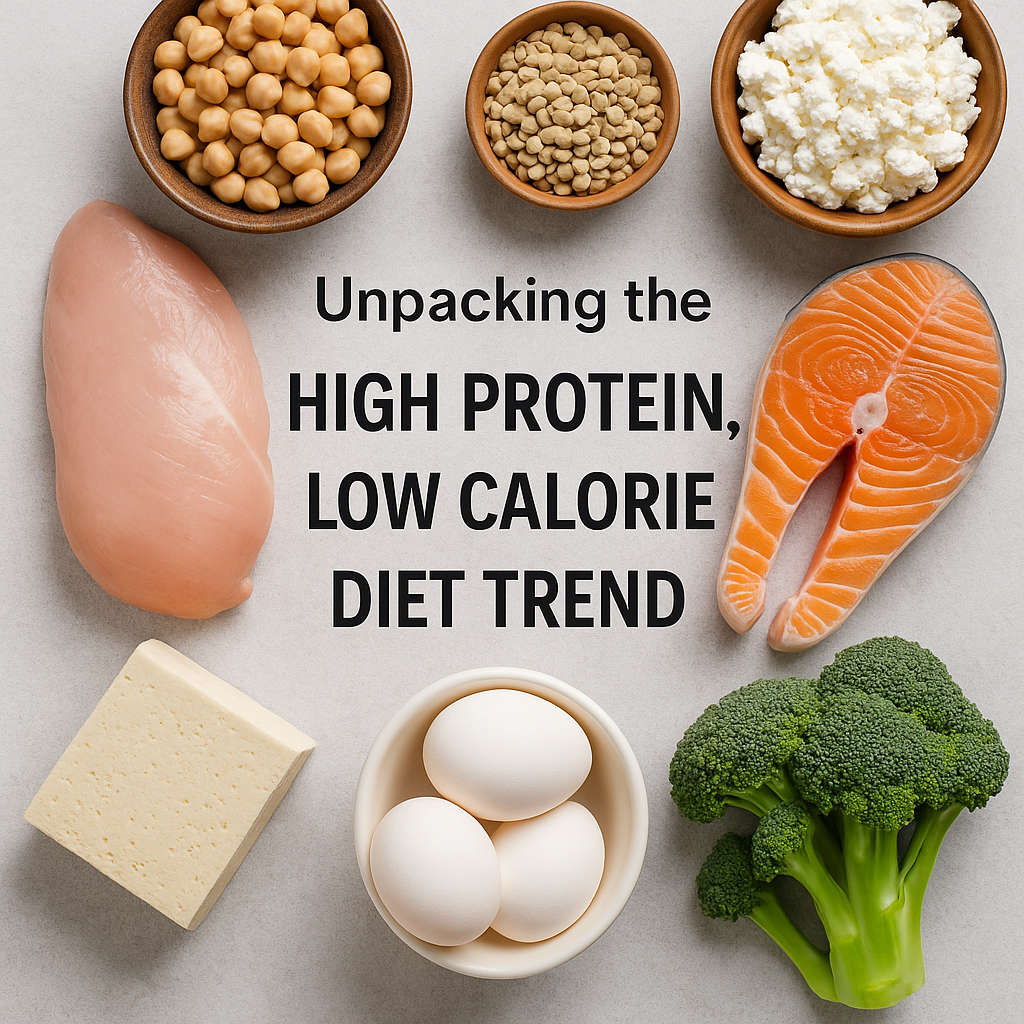
At its core, a high protein, low calorie (HPLC) diet emphasizes consuming a significantly higher proportion of protein while keeping the overall caloric intake at a deficit. This means prioritizing lean protein sources like chicken breast, fish, eggs, tofu, and legumes, alongside plenty of non-starchy vegetables and moderate amounts of healthy fats and complex carbohydrates, all within a controlled energy budget.
The goal isn’t just to cut calories, but to do so strategically by maximizing protein’s role in satiety and muscle preservation, ensuring you feel full and maintain metabolic-boosting muscle mass even when eating less.
Who Can Benefit from This Diet?
The HPLC diet can be a powerful tool for various individuals:
- Weight Loss Seekers: The increased satiety from protein helps reduce hunger and cravings, making it easier to stick to a calorie deficit.
- Athletes and Bodybuilders: It supports muscle repair and growth, and helps maintain lean mass during cutting phases, crucial for performance and aesthetics.
- Individuals Managing Blood Sugar: High protein and controlled carbohydrate intake can help stabilize blood glucose levels.
- Those Looking to Improve Body Composition: By prioritizing muscle and reducing fat, it leads to a leaner, more toned physique.
However, it’s always recommended to consult with a healthcare professional or registered dietitian before making significant dietary changes.
The Power-Packed Benefits
Adopting an HPLC diet can bring several notable advantages:
- Increased Satiety and Reduced Cravings: Protein is the most satiating macronutrient, keeping you feeling fuller for longer and minimizing the urge to snack unnecessarily.
- Muscle Preservation: When in a calorie deficit, the body can sometimes break down muscle for energy. High protein intake helps protect existing muscle mass, which is vital for maintaining a healthy metabolism.
- Enhanced Thermic Effect of Food (TEF): Protein requires more energy to digest and metabolize compared to carbohydrates and fats. This slightly boosts your daily calorie expenditure.
- Sustainable Weight Loss: By controlling hunger and preserving muscle, this approach can lead to more consistent and sustainable fat loss over time.
- Improved Body Composition: It helps shift the ratio of fat to muscle, leading to a leaner and stronger body.
Potential Drawbacks and Things to Consider
While beneficial, the HPLC diet isn’t without its challenges:
- Monotony and Restrictiveness: Focusing heavily on a limited range of protein sources can lead to dietary boredom if not planned carefully.
- Digestive Issues: If not enough fiber is included (from fruits, vegetables, and whole grains), constipation or other digestive discomfort can occur.
- Cost: Lean protein sources can sometimes be more expensive than processed foods or cheaper carbohydrate options.
- Social Challenges: Dining out or attending social events might require careful planning to stick to the diet.
- Misconceptions about Kidney Damage: For individuals with healthy kidneys, moderate to high protein intake is generally safe. However, those with pre-existing kidney disease should exercise caution and consult their doctor.
Nutritional Deficiencies to Watch Out For
A poorly planned HPLC diet can lead to:
- Fiber Deficiency: If whole grains, fruits, and a wide variety of vegetables are neglected in favor of only protein and low-carb vegetables, fiber intake can suffer, impacting digestive health.
- Healthy Fat Deficiency: Restricting fats too severely can lead to deficiencies in essential fatty acids, impacting hormone production, nutrient absorption, and overall health. Include sources like avocados, nuts, seeds, and fatty fish.
- Micronutrient Deficiencies: Limiting food variety might mean missing out on crucial vitamins and minerals found in a diverse range of fruits, vegetables, and whole foods.
Making It Work: Key Takeaways
To successfully implement a high protein, low calorie diet, focus on variety, balance, and quality. Include plenty of colorful vegetables, some fruits, and healthy fats alongside your lean protein. Hydration is also crucial.
Ultimately, the high protein, low calorie diet trend offers a powerful framework for achieving specific health and fitness goals. By understanding its principles, embracing its benefits, and being mindful of its potential drawbacks and nutritional pitfalls, you can harness its potential effectively and safely. Always remember, individualized nutrition advice from a qualified professional is invaluable for tailoring any dietary approach to your unique needs.