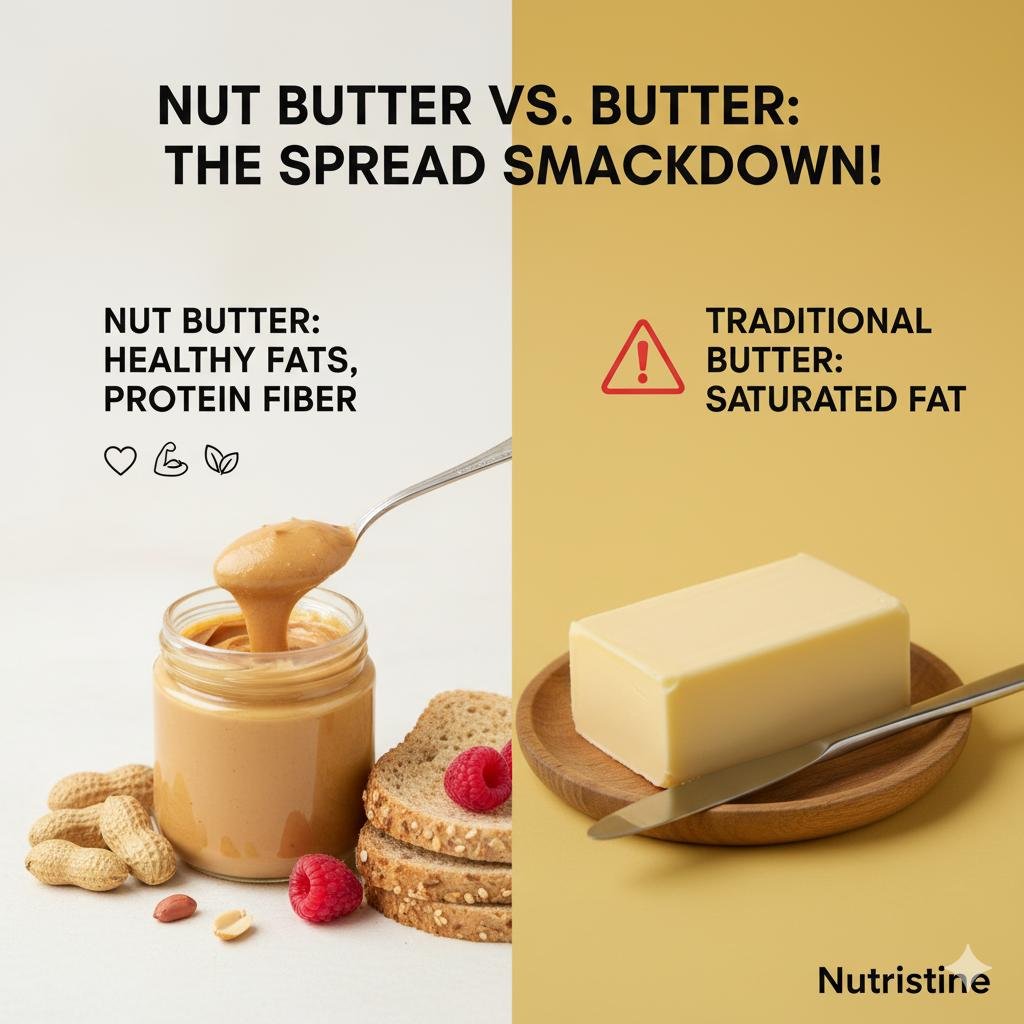
From slathering on morning toast to melting over steamed vegetables, butter is a staple in many kitchens. But as health-conscious conversations grow, a colorful and creamy contender has taken center stage: nut butter. Walk down any grocery store aisle, and you’ll see a dazzling array of options, from classic peanut and almond to cashew, walnut, and beyond. This begs the question: is swapping traditional butter for nut butter a healthier choice? The answer is a resounding yes, but with a few important caveats.
The Nutritional Powerhouse: Health Benefits of Nut Butters
Unlike traditional dairy butter, which is primarily composed of saturated fat, nut butters offer a complex and beneficial nutritional profile. Here’s why they can be a fantastic addition to your diet:
- Packed with Healthy Fats: Nut butters are rich in monounsaturated and polyunsaturated fats. These are the “good” fats known to support heart health by helping to lower bad cholesterol (LDL) levels and raise good cholesterol (HDL) levels.
- A Good Source of Protein: With several grams of plant-based protein per serving, nut butters help with muscle repair and keep you feeling full and satisfied, which can aid in weight management by curbing cravings.
- Rich in Dietary Fiber: Fiber is essential for digestive health, blood sugar regulation, and maintaining a healthy gut. Nut butters provide a solid dose of fiber that you won’t find in dairy butter.
- Loaded with Vitamins and Minerals: Nuts are tiny nutritional powerhouses. Depending on the nut, you’ll get a boost of Vitamin E (a powerful antioxidant), magnesium (crucial for bone health and energy production), potassium, and other essential micronutrients.
A Word of Caution: Navigating the Nut Butter Aisle
While nut butter is a fantastic alternative to butter, not all jars are created equal. The health benefits can be quickly negated by unhealthy additives common in many commercial brands. Here’s what you need to watch out for:
1. Added Sugars
Many popular brands add sugar, high-fructose corn syrup, or other sweeteners to improve taste. This adds empty calories and can contribute to blood sugar spikes. A truly healthy nut butter should have little to no added sugar. Always check the nutrition label!
2. Unhealthy Added Oils
To prevent the natural oil separation, some companies add hydrogenated oils or palm oil. Hydrogenated oils contain trans fats, which are detrimental to heart health. While palm oil is a complex issue, it is high in saturated fat and its production raises significant environmental concerns. A natural nut butter will separate, and that’s a good sign! Just give it a good stir before enjoying.
3. Excessive Sodium
A little salt can enhance the flavor of nuts, but many brands go overboard. A high-sodium diet is linked to high blood pressure and other cardiovascular issues. Compare labels and opt for unsalted or low-sodium versions.
4. Calorie Density and Portion Control
This is perhaps the most important caution. Nut butters are nutrient-dense, but they are also calorie-dense. A typical serving size is just two tablespoons, which can pack nearly 200 calories. It’s easy to overdo it, so be mindful of your portions. Using a measuring spoon is a great way to stay on track.
How to Choose the Best Nut Butter
Ready to make the switch? Follow these simple tips to pick the healthiest option:
- Read the Ingredients List: This is your best tool. The list should be short and simple. The ideal nut butter contains just one ingredient: nuts. A little salt is okay, too. If you see sugar, hydrogenated oils, or ingredients you can’t pronounce, put it back on the shelf.
- Check the Sugar Content: Aim for a nut butter with 0-2 grams of sugar per serving.
- Embrace the Stir: Don’t be afraid of the oil on top! Natural nut butters require stirring. It’s a small price to pay for a much healthier, additive-free product.
The Verdict
When chosen carefully and enjoyed in moderation, nut butter is an excellent and nutrient-dense alternative to traditional butter. It provides healthy fats, protein, fiber, and essential vitamins that support overall wellness. By becoming a savvy label-reader and practicing portion control, you can spread the health and enjoy all the delicious benefits nut butters have to offer.