
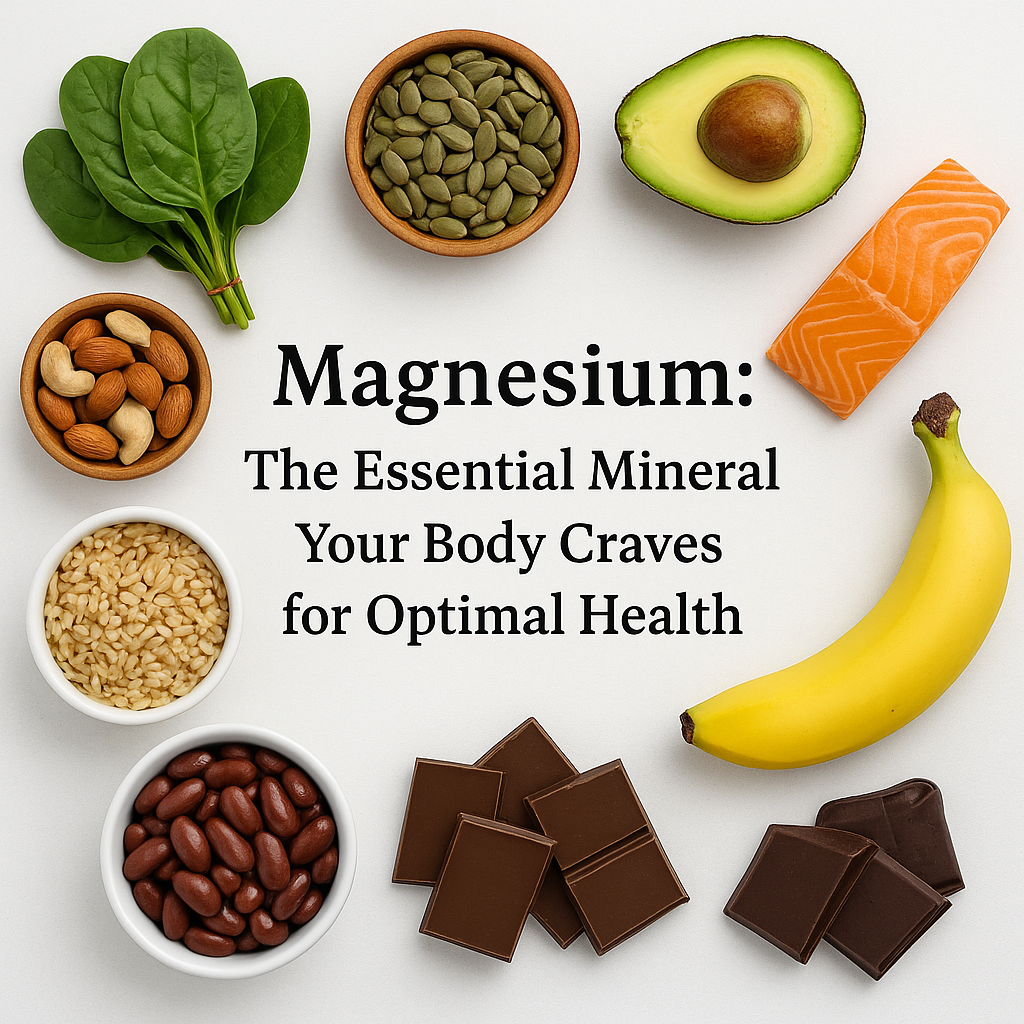
Magnesium: The Essential Mineral Your Body Craves for Optimal Health
In the vast world of nutrition, some minerals often steal the spotlight, but few are as crucial and yet as overlooked as magnesium. This powerhouse mineral is involved in over 300 biochemical reactions in your body, influencing everything from energy production and muscle function to nerve signaling and bone health. Despite its monumental importance, many people aren’t getting enough, leading to a host of silent and often misdiagnosed health issues.
Why Magnesium Deserves Your Attention: Its Multifaceted Role
Think of magnesium as the ultimate multitasker within your body. It plays a pivotal role in:
- Energy Production: It’s essential for converting food into energy, acting as a crucial cofactor for ATP, the body’s main energy currency.
- Muscle and Nerve Function: Magnesium helps regulate muscle contractions and nerve impulses, preventing involuntary spasms and ensuring proper communication between your brain and body.
- Bone Health: Alongside calcium and Vitamin D, magnesium is vital for maintaining bone density and strength. About 50-60% of the body’s magnesium is stored in the bones.
- Blood Sugar Control: It helps regulate insulin sensitivity, playing a role in managing blood sugar levels.
- Blood Pressure Regulation: Magnesium contributes to the relaxation of blood vessels, which helps maintain healthy blood pressure.
- DNA and RNA Synthesis: It’s integral for the synthesis and repair of genetic material.
The Hidden Dangers of Magnesium Deficiency: Easily Overlooked Symptoms
Given its widespread roles, it’s no surprise that a lack of magnesium can wreak havoc on your health. What makes magnesium deficiency particularly insidious is that its symptoms are often subtle, non-specific, and can easily be attributed to other factors, leading it to be widely overlooked by both individuals and healthcare professionals.
Modern diets, rich in processed foods and depleted soils, contribute to lower magnesium intake. Chronic stress, certain medications, and conditions like digestive disorders can also deplete magnesium levels. Here are some common health issues stemming from a deficiency:
- Chronic Fatigue and Low Energy: Feeling constantly tired, even after a good night’s sleep? Magnesium is key to energy production; its absence can leave you drained.
- Muscle Cramps and Spasms: One of the most classic signs. Magnesium helps muscles relax; without enough, they can contract involuntarily. Restless leg syndrome can also be linked.
- Anxiety, Irritability, and Depression: Magnesium plays a role in regulating neurotransmitters and stress hormones. Low levels can contribute to mood disorders and increased anxiety.
- Sleep Disturbances: Difficulty falling asleep, frequent waking, or generally poor sleep quality can be a sign. Magnesium aids in regulating melatonin and GABA, a calming neurotransmitter.
- Headaches and Migraines: Many migraine sufferers have lower magnesium levels. Supplementation is often recommended for prevention.
- Heart Palpitations and Arrhythmias: Magnesium is crucial for maintaining a healthy heart rhythm. Deficiency can lead to irregular heartbeats.
- Weak Bones and Osteoporosis Risk: Without adequate magnesium, calcium absorption and bone formation are impaired, increasing the risk of brittle bones over time.
Fueling Up: Foods Rich in Magnesium
The good news is that boosting your magnesium intake can be delicious and straightforward. Incorporating more whole, unprocessed foods into your diet is the best way to ensure you’re getting enough of this vital mineral:
- Dark Leafy Greens: Spinach, kale, Swiss chard are magnesium powerhouses.
- Nuts and Seeds: Almonds, cashews, peanuts, pumpkin seeds, chia seeds, and flaxseeds are excellent sources.
- Legumes: Black beans, lentils, chickpeas, and edamame are packed with magnesium.
- Whole Grains: Brown rice, oats, quinoa, and whole wheat bread contribute significant amounts.
- Dark Chocolate: A delicious way to get your magnesium fix! Choose varieties with 70% cocoa or higher.
- Avocados: A versatile fruit that’s not only healthy but also a good source of magnesium.
- Bananas: While known for potassium, bananas also offer a decent amount of magnesium.
- Fatty Fish: Salmon, mackerel, and halibut contain magnesium along with healthy omega-3s.
Don’t Let This Vital Mineral Slip By
Given its profound impact on nearly every bodily system, magnesium is truly an essential mineral for human health that we cannot afford to overlook. If you’re experiencing any of the subtle symptoms of deficiency, consider evaluating your dietary intake. While food sources are always best, supplementation can be an option under professional guidance. Prioritizing magnesium in your diet is a simple yet powerful step towards better energy, mood, sleep, and overall well-being.