GLP-1, Your Gut, and Lasting Weight Loss: The Microbiome Connection
Medications like Ozempic and Wegovy, known as GLP-1 receptor agonists, have revolutionized weight and metabolic management. They are incredibly effective, but their success story isn’t just about appetite suppression. A growing body of evidence reveals a fascinating and crucial connection: the powerful interplay between GLP-1 medications and your gut microbiome. Understanding this relationship is the key not only to maximizing the benefits of these drugs but also to achieving sustainable health long after the prescription ends.
How GLP-1 Medications Reshape Your Gut Environment
GLP-1 medications work by mimicking a natural hormone in your gut that signals fullness to your brain. But their impact goes much deeper, creating profound changes right inside your digestive system.
First, these drugs significantly slow down gastric emptying. This means food sits in your stomach for a longer period. This physical effect is a major reason you feel fuller for longer on less food. Second, they enhance the communication along the “gut-brain axis,” amplifying the satiety signals that tell your brain you’ve had enough.
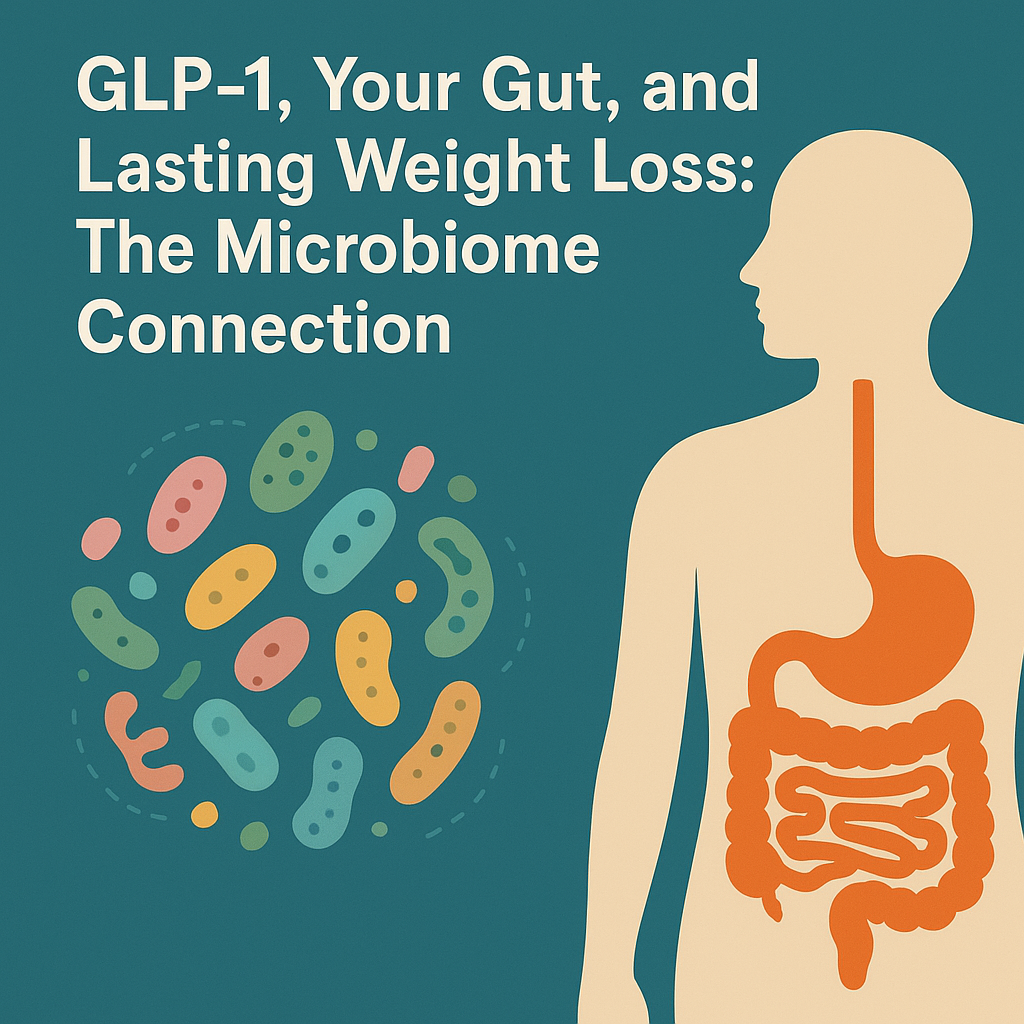
These changes create a whole new environment for the trillions of microbes living in your gut. With food moving more slowly, there’s more time for fermentation. This alters the food supply for your gut bacteria, which can lead to a significant shift in the microbiome composition. Early research suggests this may favor the growth of bacteria associated with a leaner metabolic profile, potentially contributing to the drug’s effectiveness beyond simple calorie reduction. In essence, the medication doesn’t just change your appetite; it remodels the very ecosystem within you.
The Hidden Challenge: Protecting Muscle and Nourishing Your Gut
While the weight loss results from GLP-1 medications can be dramatic, rapid weight loss comes with a significant risk: the loss of lean muscle mass and potential nutrient deficiencies. A lower appetite can make it challenging to consume the essential nutrients your body—and your gut—needs to thrive. This is where a targeted, microbiome-supportive diet becomes non-negotiable.
This isn’t just any diet. It’s a strategic plan to support your body’s needs while on this metabolic journey:
- High-Protein Intake: Protein is the building block of muscle. Consuming adequate high-quality protein from sources like lean meat, fish, eggs, legumes, and tofu is critical to ensure you are primarily losing fat, not valuable muscle tissue.
- High-Fiber Foods: Fiber is the preferred food for your beneficial gut bacteria. When microbes ferment fiber, they produce short-chain fatty acids (SCFAs), which are superstars for metabolic health. They strengthen the gut lining, reduce inflammation, and can even improve insulin sensitivity. Think oats, beans, lentils, and whole grains.
- A Diversity of Plants: Different plants feed different microbes. To cultivate a robust and resilient gut microbiome, aim to “eat the rainbow.” A wide variety of fruits, vegetables, nuts, and seeds ensures your gut community gets a full spectrum of nutrients to flourish.
By focusing on this nutritional strategy, you create a synergistic effect: the medication helps with weight loss, and your diet protects your muscle mass while nurturing a gut microbiome that supports long-term metabolic health.
Beyond the Medication: Can the Microbiome Lock in Your Success?
The million-dollar question for many patients is: “What happens when I stop the medication?” The fear of weight regain is real, and it’s a major challenge in obesity treatment. This is where the gut microbiome may offer a revolutionary solution for long-term success.
The future of post-drug management is likely to be microbiome-focused. Researchers are actively exploring how to maintain the positive metabolic changes initiated by GLP-1 drugs. The goal is to “lock in” the benefits by supporting the healthier microbiome composition that developed during treatment. This could involve:
- Targeted Probiotics: Supplementing with specific, clinically-studied strains of bacteria that are known to support metabolic health and a healthy weight.
- Personalized Prebiotics: Using specific types of fiber designed to feed the beneficial bacteria that you want to encourage, helping them maintain a strong presence in your gut.
By shifting the focus to nurturing the gut, we may be able to create a biological environment that is naturally more resistant to weight regain and metabolic dysfunction, turning a temporary intervention into a lasting lifestyle transformation.
GLP-1 medications are a powerful tool, but they are most effective when viewed as a catalyst for broader change. Pairing them with a diet that supports both your muscles and your microbiome is the key to a healthier, stronger, and more sustainable outcome.