Navigating South Asian Cuisine: Foods to Avoid with High Blood Pressure
For millions worldwide, the diagnosis of high blood pressure, or hypertension, signals a critical need for lifestyle changes. In the vibrant South Asian community, this concern is particularly prominent. Genetics, lifestyle, and dietary habits often contribute to a higher prevalence of hypertension and related cardiovascular diseases. While South Asian cuisine is celebrated for its rich flavors and aromatic spices, some traditional staples, when consumed regularly or in excess, can exacerbate high blood pressure.
Understanding which foods to limit or avoid is a powerful step towards managing your blood pressure and promoting overall heart health. This guide will help you navigate your favorite South Asian dishes with your health in mind.
Understanding High Blood Pressure in the South Asian Community
High blood pressure is often a silent killer, with few noticeable symptoms until it causes serious health problems like heart attack, stroke, or kidney disease. For individuals of South Asian descent, there’s often an increased genetic predisposition, coupled with dietary patterns that can be high in sodium, unhealthy fats, and refined carbohydrates. Making informed food choices is paramount to mitigating these risks.
Common South Asian Foods to Approach with Caution
1. The Sodium Culprits: Pickles, Papad, and Processed Delights
Sodium is the primary dietary villain for high blood pressure. It causes your body to retain water, increasing the volume of blood and, consequently, your blood pressure. Many beloved South Asian foods are surprisingly high in sodium:
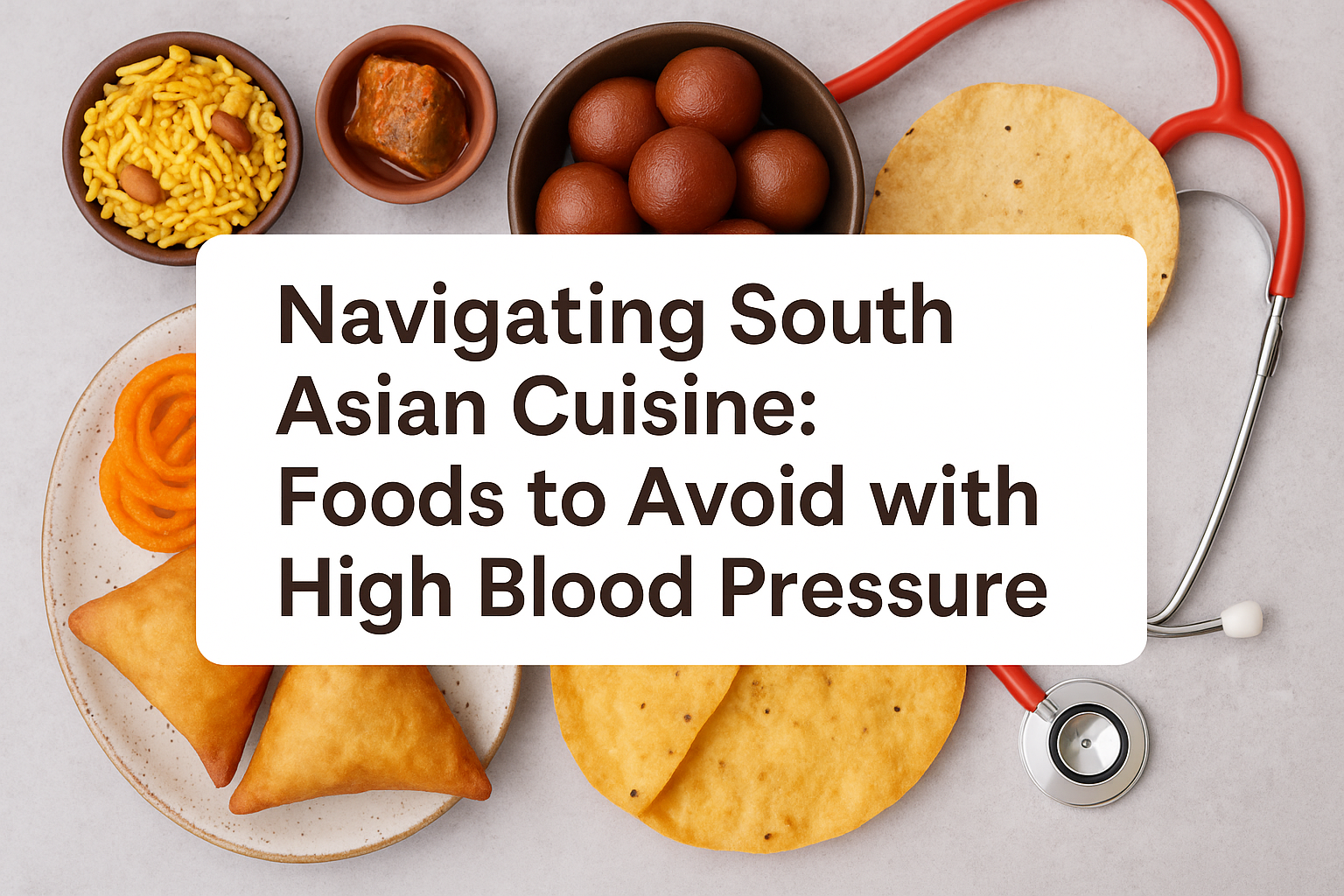
- Pickles (Achaar): These tangy, spicy condiments are a staple in many South Asian meals, but they are typically preserved in generous amounts of salt and oil. A single serving can contain a significant portion of your daily recommended sodium intake.
- Papad/Pappadum: While seemingly light, papad is often made with a high salt content, especially the pre-packaged varieties.
- Processed Snacks (Bhujia, Mixtures, Namkeens): These savory snacks are loaded with sodium, unhealthy fats, and often artificial flavors.
- Ready-Made Masalas and Curry Pastes: For convenience, many pre-packaged spice blends and curry bases contain high levels of salt to enhance flavor and act as a preservative.
- Chutneys and Sauces: Some commercially prepared chutneys can also be high in sodium and sugar.
Healthy Swap: Opt for homemade pickles with reduced salt, use fresh herbs and spices to flavor your meals instead of relying on pre-made mixes, and choose fresh fruits or unsalted nuts for snacking.
2. The Fat Traps: Fried Snacks and Ghee Overload
Excessive intake of saturated and trans fats can elevate LDL (“bad”) cholesterol, contributing to arterial plaque buildup and increasing the risk of heart disease, which indirectly impacts blood pressure.
- Fried Foods (Samosas, Pakoras, Puri, Bhature, Vada): These delicious deep-fried items are rich in unhealthy fats and calories, contributing to weight gain and heart strain.
- Red Meat and Organ Meats: While not exclusively South Asian, dishes featuring mutton, beef, or organ meats, especially those cooked in heavy gravies, can be high in saturated fats.
- Excess Ghee and Butter: Ghee is a staple, but using it excessively in cooking or as a topping can quickly add significant amounts of saturated fat to your diet.
- Certain Sweets (Gulab Jamun, Jalebi, Barfi): Many traditional sweets are not only high in sugar but also often deep-fried and prepared with large quantities of ghee or unhealthy oils.
Healthy Swap: Bake, grill, or air-fry snacks instead of deep-frying. Choose leaner protein sources like chicken, fish, or legumes. Use ghee sparingly and opt for healthier cooking oils like olive oil or canola oil in moderation. Enjoy sweets in very small portions, focusing on fruit-based desserts.
3. Sweet Indulgences: Sugary Desserts and Drinks
While not directly linked to blood pressure in the same way as sodium, high sugar intake can lead to weight gain, insulin resistance, and increased risk of type 2 diabetes, all of which are risk factors for hypertension.
- Traditional Sweets (Mithai): Items like ladoo, jalebi, gulab jamun, and barfi are packed with sugar and often ghee, making them calorie-dense and not ideal for regular consumption.
- Sugary Beverages: Syrupy lassis, overly sweet chai, and commercially prepared fruit juices with added sugar contribute to excessive sugar intake.
Healthy Swap: Enjoy sweets on special occasions and in very small portions. Opt for plain lassi or buttermilk, and reduce or eliminate sugar in your tea. Fresh fruits are always a better dessert option.
4. Hidden Dangers: Ready Meals and Canned Goods
Convenience foods, increasingly popular, often hide surprising amounts of sodium, preservatives, and unhealthy fats.
- Frozen Parathas and Ready-to-Eat Meals: These can be incredibly high in sodium and often contain trans fats.
- Canned Vegetables and Lentils: Unless explicitly labeled “no salt added,” canned goods can be high in sodium.
Healthy Swap: Prioritize fresh, home-cooked meals. If using canned goods, rinse them thoroughly to reduce sodium, or opt for dried versions.
Making Healthier Choices: Simple Swaps and Tips
Managing high blood pressure doesn’t mean giving up on the rich culinary heritage of South Asia entirely. It’s about making smart, informed adjustments:
- Embrace Home Cooking: This gives you full control over ingredients, especially salt, oil, and sugar.
- Spice it Up, Not Salt it Up: Use generous amounts of fresh herbs, garlic, ginger, turmeric, cumin, coriander, and other spices to add flavor without relying on salt.
- Focus on Fresh Produce: Incorporate plenty of fresh vegetables, fruits, and whole grains into every meal.
- Choose Lean Proteins: Opt for fish, chicken, lentils, and beans.
- Healthy Fats in Moderation: Include nuts, seeds, and avocados in small amounts.
- Read Food Labels: Pay close attention to sodium, sugar, and fat content in packaged foods.
- Stay Hydrated: Drink plenty of water throughout the day.
Your Journey to Better Heart Health
Navigating the complex landscape of South Asian cuisine with high blood pressure requires awareness and commitment. By understanding the potential pitfalls and embracing healthier alternatives, you can continue to enjoy the flavors you love while safeguarding your heart health. Remember to always consult with your doctor or a registered dietitian for personalized dietary advice tailored to your specific health needs.