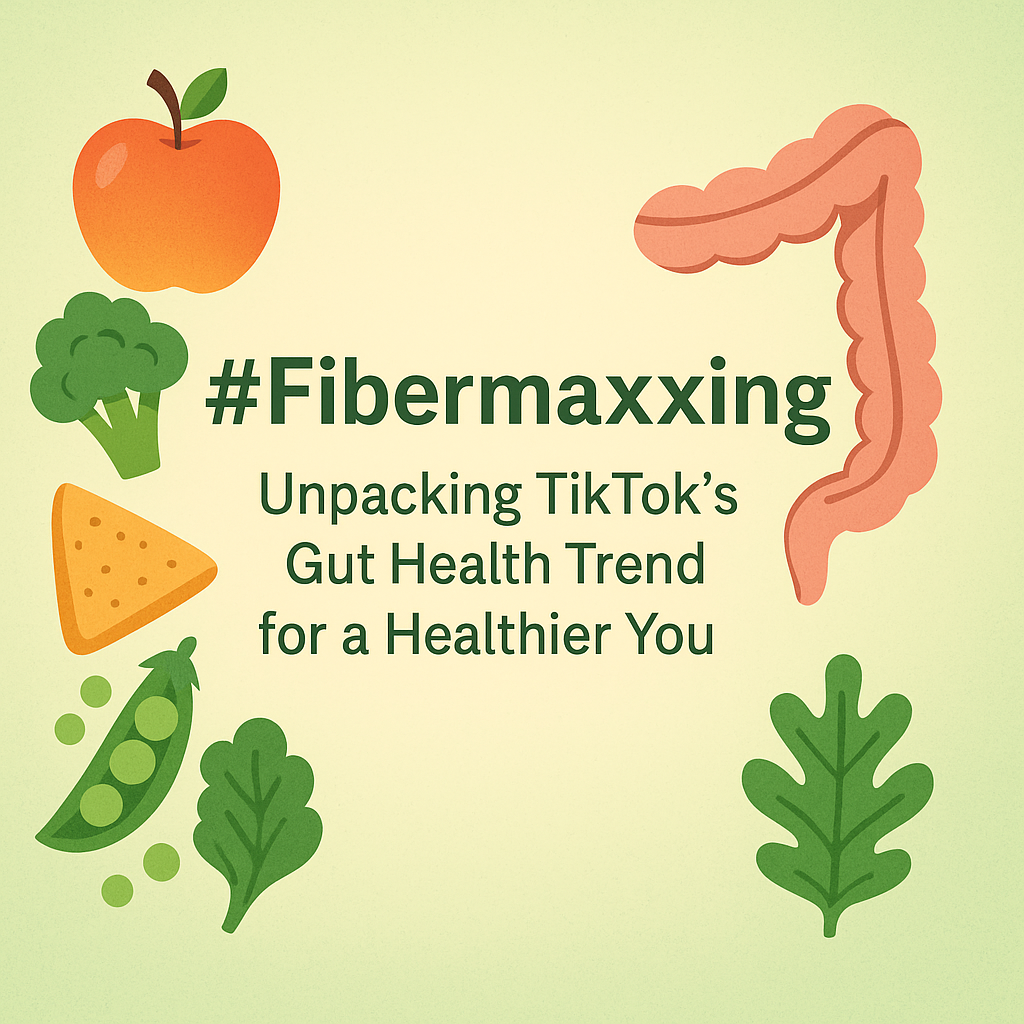
#Fibermaxxing: Unpacking TikTok’s Gut Health Trend for a Healthier You
From viral dance challenges to beauty hacks, TikTok is a hotbed for new trends. Lately, one particular hashtag has been making waves in the wellness sphere: #Fibermaxxing. But what exactly is this trend, and can significantly increasing your fiber intake truly lead to a healthier gut?
What is #Fibermaxxing? The TikTok Trend Explained
At its core, #Fibermaxxing is the practice of consciously and often dramatically increasing your daily dietary fiber intake. Fuelled by TikTok creators showcasing their routines, this trend involves incorporating fiber-rich foods, supplements like psyllium husk or chia seeds, and fiber-packed smoothies into every meal. The goal? To optimize digestion, improve regularity, and foster a thriving gut microbiome.
Unlike simply adding a few more veggies, #Fibermaxxing often pushes the boundaries, with some users aiming for fiber levels significantly higher than the recommended 25-38 grams per day. The allure lies in the promise of feeling lighter, more energetic, and experiencing fewer digestive woes, all while promoting a healthier gut health.
How Can #Fibermaxxing Benefit Your Gut Health?
Fiber, a type of carbohydrate found in plant foods, is crucial for digestive health. When properly implemented, #Fibermaxxing can offer several impressive benefits:
- Improved Regularity: Fiber adds bulk to your stool, making it softer and easier to pass. This is a game-changer for those struggling with constipation, promoting regular and satisfying bowel movements.
- Feeds Your Gut Microbiome: Soluble fiber acts as a prebiotic, serving as food for the beneficial bacteria in your gut. A diverse and healthy gut microbiome is linked to improved digestion, enhanced immune function, and even better mood regulation.
- Better Blood Sugar Control: Fiber slows down the absorption of sugar into your bloodstream, which helps prevent sharp spikes and crashes in blood glucose levels. This can be particularly beneficial for managing energy levels and reducing cravings.
- Increased Satiety: Fiber-rich foods tend to be more filling, helping you feel fuller for longer. This can aid in weight management by reducing overall calorie intake.
- Cholesterol Reduction: Certain types of soluble fiber can bind to cholesterol particles in your digestive system, preventing their absorption and helping to lower LDL (“bad”) cholesterol levels.
By optimizing these functions, #Fibermaxxing aims to create a more efficient and balanced digestive system, leading to a healthier you from the inside out.
Discomfort and Adverse Effects to Look Out For
While the benefits of fiber are undeniable, the “maxxing” aspect of this trend comes with a caveat. Rapidly increasing fiber intake can lead to some uncomfortable, and sometimes even adverse, effects. It’s crucial to be aware of these:
- Bloating and Gas: This is perhaps the most common side effect. When gut bacteria break down fiber, they produce gas. A sudden increase can lead to excessive bloating, gas, and abdominal discomfort.
- Abdominal Pain and Cramps: Your digestive system needs time to adjust. Too much fiber too quickly can cause painful cramping.
- Diarrhea or Worsened Constipation: Paradoxically, without adequate fluid intake, very high fiber can lead to severe constipation or, if the body struggles to process it, diarrhea.
- Dehydration: Fiber absorbs water. If you’re increasing your fiber, you MUST also significantly increase your water intake. Neglecting hydration will exacerbate discomfort and can lead to digestive blockages.
- Nutrient Absorption Issues: Extremely high fiber intake can, in rare cases, interfere with the absorption of certain essential minerals like iron, zinc, and calcium.
- Medication Interactions: Fiber can bind to some medications, reducing their effectiveness. If you’re on any prescription drugs, consult your doctor before making drastic dietary changes.
- Existing Conditions: Individuals with conditions like Irritable Bowel Syndrome (IBS) or inflammatory bowel diseases (IBD) might find their symptoms worsen with a sudden, high-fiber diet.
The key takeaway here is balance and a gradual approach. Your body needs time to adapt to new dietary habits.
How to #Fibermax Responsibly and Safely
If you’re inspired by the #Fibermaxxing trend but want to prioritize safety and comfort, here’s how to do it right:
- Go Gradual: Slowly increase your dietary fiber intake over several weeks. Add a few grams each day or every few days, rather than an overnight overhaul.
- Hydrate, Hydrate, Hydrate: Drink plenty of water throughout the day. This cannot be stressed enough when increasing fiber.
- Variety is Key: Don’t rely on just one source. Incorporate a diverse range of fruits, vegetables, whole grains, legumes, nuts, and seeds. This ensures you get both soluble and insoluble fiber.
- Listen to Your Body: Pay attention to how you feel. If you experience significant discomfort, scale back and reintroduce fiber more slowly.
- Consult a Professional: Before making significant dietary changes, especially if you have underlying health conditions or are on medication, speak to a doctor or a registered dietitian. They can provide personalized advice on achieving optimal gut health.
The Verdict on #Fibermaxxing
The #Fibermaxxing trend highlights an important truth: most people don’t get enough fiber in their diets. Boosting your fiber intake is undoubtedly beneficial for gut health, regularity, and overall well-being. However, the “maxxing” approach, particularly when done rapidly, carries risks of discomfort and potential adverse effects.
Embrace the spirit of #Fibermaxxing – prioritizing fiber – but do so with mindfulness, patience, and a healthy respect for your body’s limits. A balanced, gradual increase in fiber, coupled with ample hydration, is the smartest path to a happier, healthier gut.