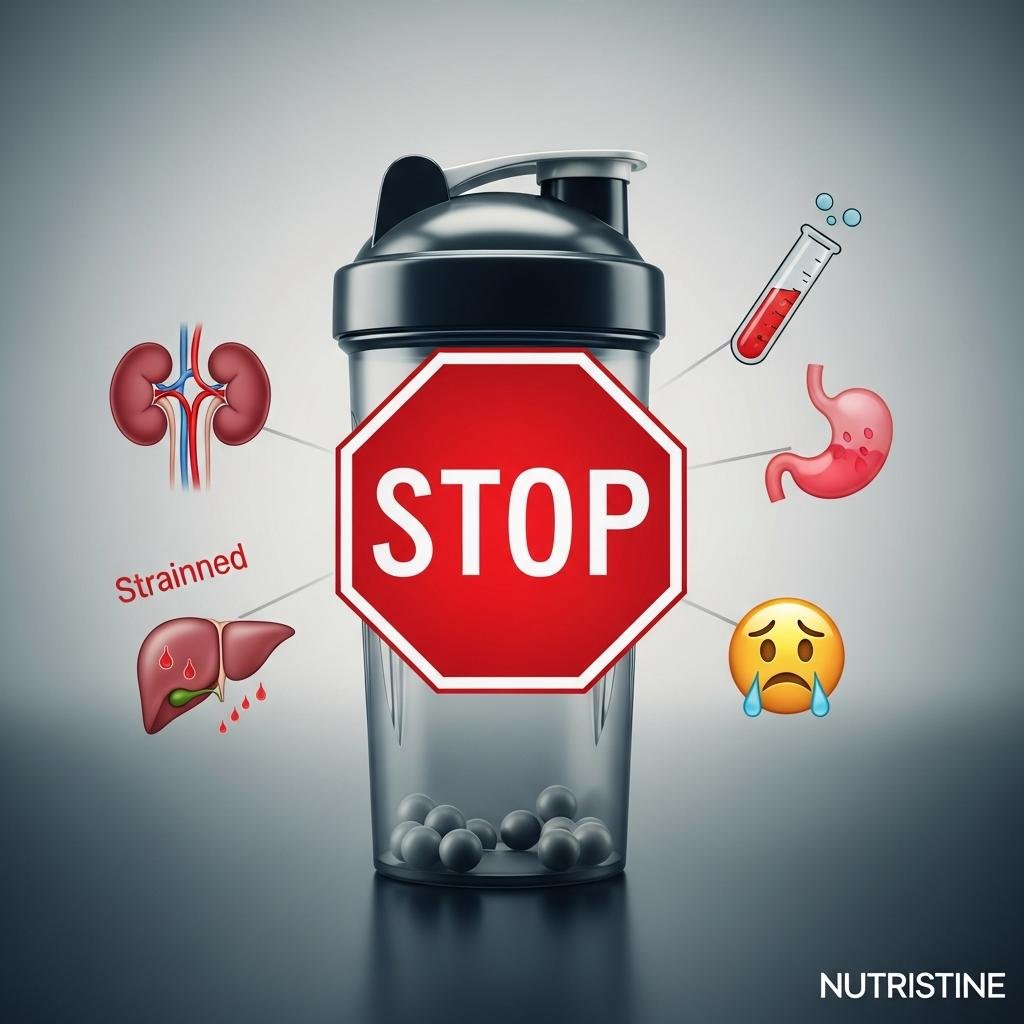
Walk into any gym or health food store, and you’ll be met with towering tubs of protein powder, promising faster muscle recovery, weight loss, and enhanced performance. For many, a daily protein shake has become as routine as a morning coffee. But while these supplements can be a convenient way to boost your protein intake, it’s crucial to look beyond the marketing claims and understand the potential side effects and long-term health concerns.
As a nutritionist, I encourage a “whole foods first” approach. However, I also recognize the role supplements can play. The key is to be informed. Let’s break down the hidden dangers of protein powders so you can make the best choice for your body.

1. The Immediate Discomfort: Digestive Distress
One of the most common complaints I hear from clients is digestive upset after consuming protein shakes. This can manifest as:
- Bloating
- Gas
- Stomach cramps
- Diarrhea
Often, the culprit is lactose. Whey protein, especially the more affordable “concentrate” form, contains lactose, which can cause significant discomfort for those with intolerance. Even if you switch to a plant-based powder, you’re not always in the clear. Many formulas contain artificial sweeteners like sugar alcohols (erythritol, sorbitol) or thickeners and gums that can ferment in your gut, leading to the same unpleasant symptoms. If your shake is consistently leaving you feeling bloated, it’s a sign your body isn’t happy with one or more of the ingredients.
2. Long-Term Concern: Kidney and Liver Strain
Your kidneys and liver are hardworking organs responsible for filtering waste from your body, including the byproducts of protein metabolism. While a high-protein diet from whole foods is generally safe for healthy individuals, bombarding your system with highly concentrated, rapidly absorbed protein from supplements can place an added burden on these organs over time.
For individuals with pre-existing kidney conditions, this is a serious concern. A consistently excessive protein intake can accelerate the decline in kidney function. Even in healthy individuals, chronic overconsumption far beyond your actual needs forces your kidneys and liver to work overtime. The long-term motto should be: more is not always better.
3. The Hidden Contaminants: Heavy Metals and Toxins
This is perhaps the most alarming risk. The supplement industry is not as strictly regulated by the FDA as food and drugs are. This lack of oversight means that what’s on the label isn’t always what’s in the tub.
Independent studies, like those from the Clean Label Project, have repeatedly found alarming levels of contaminants in many popular protein powders, including:
- Heavy metals: Lead, arsenic, cadmium, and mercury.
- BPA (bisphenol A): A chemical linked to hormonal disruption.
- Pesticides and other toxins.
These contaminants are often absorbed by plants from the soil and water, making some plant-based protein powders particularly susceptible. Over time, these toxins can accumulate in your body, potentially leading to a host of long-term health issues. To mitigate this risk, always look for products that are third-party tested for purity and contaminants by organizations like NSF Certified for Sport or Informed-Choice.
4. Unnecessary Additives and Fillers
To improve taste, texture, and shelf life, many protein powders are loaded with ingredients that offer zero nutritional benefit. These can include artificial sweeteners (sucralose, acesulfame potassium), artificial flavors, fillers, and thickeners like carrageenan, which has been linked to inflammation and gut issues in some studies. Reading the ingredient list is non-negotiable. If it reads like a chemistry experiment, it’s best to put it back on the shelf.
Making an Informed Choice: A Nutritionist’s Advice
Protein powders aren’t inherently evil, but they are not a magic bullet for health and should not be treated as a substitute for real food. Whole food protein sources—like chicken, fish, eggs, lentils, and tofu—provide a complete package of vitamins, minerals, fiber, and phytonutrients that you simply cannot get from a processed powder.
If you choose to use a protein supplement, follow these guidelines:
- Food First, Always: Use powders to supplement, not replace, a diet rich in whole foods.
- Read the Label: Opt for powders with a short, recognizable ingredient list. Avoid artificial sweeteners, flavors, and fillers.
- Look for Third-Party Testing: Prioritize brands that verify their purity and safety through independent labs.
- Consult a Professional: Before adding any supplement to your routine, talk to a registered dietitian or your doctor to ensure it’s appropriate for your individual health needs and goals.
Your health is your greatest asset. By being a savvy, informed consumer, you can ensure that your pursuit of fitness doesn’t come at the expense of your long-term well-being.