Savor the Festival of Lights: A Traditional Diwali Meal with a Healthy Twist
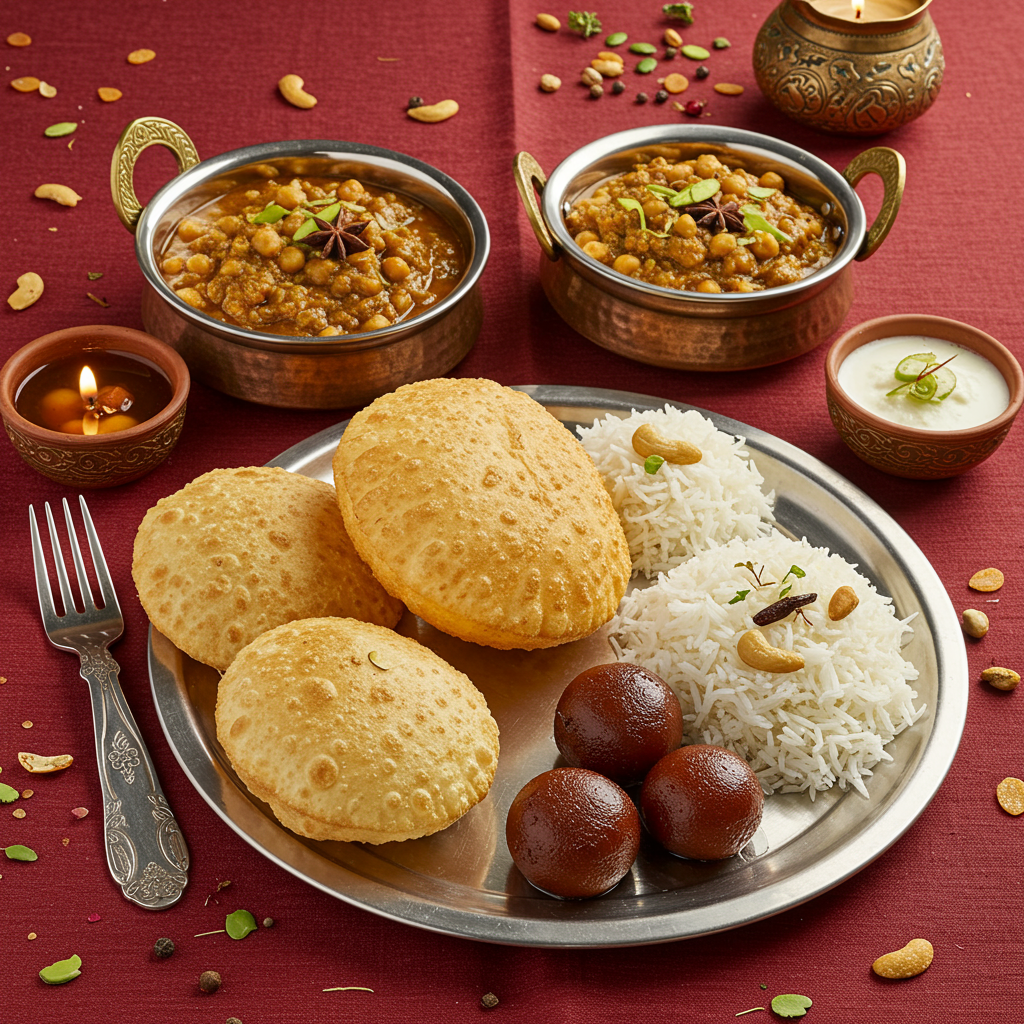
Diwali, the magnificent festival of lights, is a time for joy, family, and of course, food. The heart of the celebration often lies in the kitchen, where generations-old recipes come to life. A classic North Indian Diwali meal is a feast for the senses, typically featuring a rich curry, fluffy fried bread, fragrant rice, and a decadent sweet. Today, we’re exploring a beloved combination: Chana Masala (spiced chickpea curry), Puri (deep-fried bread), Jeera Rice (cumin-scented rice), and Gulab Jamun (sweet milk-solid dumplings). This meal is a cultural touchstone, representing abundance, warmth, and the special indulgence reserved for festive occasions.
The Indulgence Factor: Unhealthy Ingredients and Why
While delicious and traditional, a festive meal like this can be heavy on ingredients that we should consume in moderation. Let’s break down the culprits found in our chosen recipes.
1. Refined White Sugar
- Found In: Gulab Jamun (the soaking syrup).
- Why it’s Unhealthy: It’s a source of “empty calories” with no nutritional value. High consumption of added sugar is linked to inflammation, weight gain, insulin resistance, and an increased risk of chronic diseases. It causes rapid spikes and crashes in blood sugar levels.
2. Oil for Deep-Frying
- Found In: Puri and Gulab Jamun.
- Why it’s Unhealthy: Deep-frying dramatically increases the calorie and fat content of food. When oils are heated to high temperatures, they can form harmful trans fats, which are known to raise bad cholesterol (LDL) and lower good cholesterol (HDL). This process also contributes to inflammation in the body.
3. Refined All-Purpose Flour (Maida)
- Found In: Often used in Puri and as a binder in Gulab Jamun.
- Why it’s Unhealthy: Maida is a highly processed simple carbohydrate, stripped of its fiber, bran, and germ. This means it has a high glycemic index, leading to quick spikes in blood sugar. It offers very little in terms of nutrients and can contribute to digestive issues when consumed in large amounts.
4. White Rice
- Found In: Jeera Rice.
- Why it’s Unhealthy: Similar to refined flour, white rice is a polished grain that has had its bran and germ removed, which strips away most of its fiber, vitamins, and minerals. It is a high-carb food that can cause a rapid increase in blood sugar levels.
5. Excessive Ghee or Vegetable Oil
- Found In: The base for Chana Masala and Jeera Rice.
- Why it’s Unhealthy: While ghee has some benefits, it is high in saturated fat. Overconsumption can contribute to higher cholesterol levels. Many common vegetable oils are high in omega-6 fatty acids, which can be inflammatory when consumed in excess. The issue is less the ingredient itself and more the quantity used in festive cooking.
A Healthier Diwali Plate: Smart Ingredient Swaps
The good news is you don’t have to give up your favorite dishes! With a few clever substitutions, you can enjoy the same wonderful flavors with a much healthier profile.
For Deep-Frying (Puri & Gulab Jamun) → Bake or Air-Fry
Instead of deep-frying puris, roll them out and make Phulkas or Chapatis on a dry skillet. For a festive touch, you can lightly brush them with ghee after cooking. Alternatively, brush the rolled puris with a tiny amount of oil and bake or air-fry them until crisp. For Gulab Jamun, the dumplings can be baked or air-fried until golden brown before being soaked in the syrup. This single change drastically cuts down on fat and calories.
For Refined Flour (Maida) → Whole Wheat Flour (Atta)
This is an easy and traditional swap. Make your puris or chapatis using 100% whole wheat flour (atta). It’s rich in fiber, which aids digestion and promotes a feeling of fullness. For Gulab Jamun, you can use whole wheat flour or even a mix of almond flour and milk powder for a gluten-free, protein-rich version.
For White Sugar → Jaggery or Date Syrup
Replace the refined white sugar syrup for Gulab Jamun with a syrup made from jaggery (gur) or date syrup. These are unrefined sweeteners that retain some minerals like iron and potassium. While they are still sugars, they are a more natural and slightly more nutritious option. Be sure to use them in moderation.
For White Rice → Brown Basmati Rice or Quinoa
Substitute white basmati rice with brown basmati rice. It has a similar texture and nutty flavor but is a whole grain, packed with fiber and nutrients. Quinoa is another excellent, high-protein alternative that pairs wonderfully with Chana Masala.
Key Benefits of This Wholesome Meal
When prepared with these healthier swaps, this traditional Diwali meal becomes a powerhouse of nutrition.
- Rich in Plant-Based Protein: The star of the meal, Chana Masala, is loaded with protein and fiber from chickpeas, which is essential for muscle health and keeping you full and satisfied.
- Sustained Energy Release: By using whole wheat flour and brown rice, the meal is rich in complex carbohydrates and fiber. This prevents blood sugar spikes and provides a steady release of energy to keep you celebrating all day long.
- Packed with Micronutrients: Chickpeas are a great source of iron, folate, and manganese. The spices used in the curry—like turmeric, ginger, and garlic—are famed for their powerful anti-inflammatory and antioxidant properties.
- Supports Digestive Health: The high fiber content from the chickpeas, whole grains, and vegetables (onions, tomatoes) aids digestion and promotes a healthy gut.
- A Balanced Macronutrient Profile: This modified meal provides a balanced plate of protein (chickpeas), complex carbs (whole grains), and healthy fats (from minimal, high-quality oil), making it a complete and nourishing festive treat.
This Diwali, embrace tradition with a mindful approach. Enjoy the rich flavors and festive spirit with a meal that nourishes your body as well as your soul. Happy Diwali!