
In the world of superfoods, few are as unassuming yet mighty as the chia seed. These tiny, black or white specks, once a staple of Aztec and Mayan diets, have made a powerful comeback, gracing everything from smoothies and puddings to salads and baked goods. But their popularity isn’t just a fleeting trend; it’s rooted in an impressive nutritional profile that offers a wide array of health benefits.
So, what exactly makes these little seeds so special? Let’s dive into the science behind the chia craze.
A Nutritional Powerhouse in a Teaspoon
Don’t let their size fool you. Just a single ounce (about two tablespoons) of chia seeds packs a serious punch. This small serving provides:
- Abundant Fiber: Chia seeds are one of the best sources of fiber on the planet. The majority of their fiber is soluble, which means it forms a gel-like substance when mixed with liquid. This is what makes chia pudding so thick and satisfying! This soluble fiber helps keep you feeling full, aids in digestive regularity, and can even help stabilize blood sugar levels.
- Plant-Based Protein: For those looking to increase their protein intake, chia seeds are an excellent option. They contain a complete protein, meaning they provide all nine essential amino acids that our bodies can’t produce on their own. This makes them a fantastic addition for vegetarians and vegans.
- Essential Omega-3 Fatty Acids: Chia seeds are an incredibly rich source of alpha-linolenic acid (ALA), a type of plant-based omega-3 fatty acid. Omega-3s are crucial for brain health, reducing inflammation, and supporting cardiovascular function. While ALA needs to be converted into the more readily usable EPA and DHA, regular consumption of chia seeds is a great way to boost your overall omega-3 intake.
- A Mineral Motherlode: These tiny seeds are bursting with important minerals. They are an excellent source of calcium, phosphorus, and magnesium, all of which are vital for bone health. In fact, gram for gram, chia seeds contain more calcium than many dairy products. They also provide iron, zinc, and manganese.
- Powerful Antioxidants: Chia seeds are rich in antioxidants, compounds that fight against free radicals in the body. Free radicals can cause cellular damage, leading to aging and various chronic diseases. The antioxidants in chia seeds help protect the delicate fats in the seeds from going rancid, and they offer protective benefits for your body as well.
The Health Benefits Unpacked
Now that we know what’s in them, let’s explore how these nutrients translate into real-world health benefits.
- Supports Digestive Health: The high soluble fiber content in chia seeds acts as a prebiotic, feeding the beneficial bacteria in your gut. This promotes a healthy gut microbiome, which is essential for proper digestion, a strong immune system, and even mental well-being. The fiber also helps prevent constipation and promotes regular bowel movements.
- Aids in Weight Management: The combination of fiber and protein in chia seeds helps promote a feeling of fullness and satiety. When consumed, the seeds absorb water and expand in your stomach, which can help curb cravings and reduce overall calorie intake. This makes them a great tool for those looking to manage their weight in a healthy way.
- Boosts Heart Health: The high content of omega-3s, fiber, and antioxidants in chia seeds makes them a friend to your heart. Omega-3s have been shown to help lower blood pressure and reduce inflammation. Soluble fiber can help lower LDL (“bad”) cholesterol, and the antioxidants help protect against oxidative stress, which can contribute to cardiovascular disease.
- Helps Control Blood Sugar: The unique gelling action of chia seeds can help slow down the absorption of sugar into the bloodstream. This can prevent blood sugar spikes and crashes, making them a valuable food for individuals with insulin resistance or type 2 diabetes.
- Strengthens Bones: As a great source of calcium, magnesium, and phosphorus, chia seeds are a fantastic non-dairy option for supporting strong bones and teeth. These minerals work together to maintain bone density and integrity.
How to Incorporate Chia Seeds into Your Diet
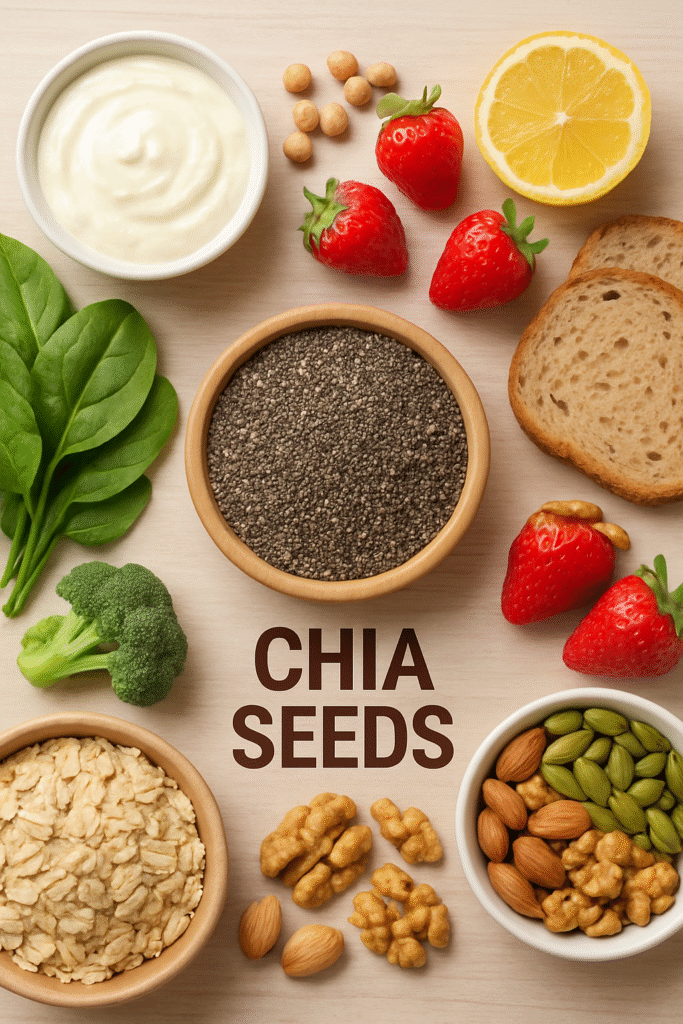
The best part about chia seeds is how incredibly versatile they are. Their mild, nutty flavor makes them easy to add to a wide variety of dishes without overpowering the taste.
- Chia Pudding: This is arguably the most popular way to use chia seeds. Simply mix them with your favorite milk (dairy or plant-based) and a sweetener, let it sit for a few hours or overnight, and top with fruit, nuts, or seeds.
- Smoothie Booster: Add a tablespoon or two to your morning smoothie for a fiber, protein, and omega-3 boost.
- Topping: Sprinkle them on top of yogurt, oatmeal, salads, or cereals for added crunch and nutrition.
- Baked Goods: Use them as an egg substitute (1 tbsp chia seeds + 3 tbsp water = 1 egg) or simply mix them into muffins, breads, or cookies for extra fiber and nutrients.
From their impressive nutritional stats to their incredible versatility, chia seeds are a simple and effective way to elevate your daily diet.